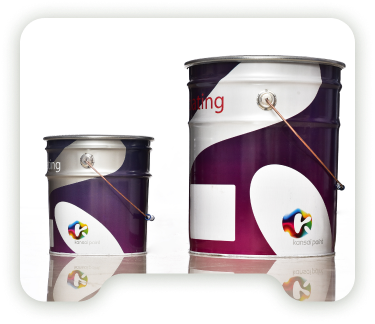
Ship Deck Paints
Ship Deck Paint
A deck coating system must withstand salt water, sunlight, foot traffic, impact, washing and uncontrolled slipping. This page is written for shipowners, deck officers, contractors and purchasing teams so that selection moves beyond product names and guesswork and is based on the actual conditions of the project.
Applications of Ship Deck Paint
The main applications covered on this page include main decks, access routes, platforms, stairs and working areas on ships. Before approving a product, establish the service environment, the type of exposure or loading, and the expected interval before the next service. The answers determine whether a single product is sufficient or a multilayer system and quality control plan are required.
Selection Criteria
The most important criteria are traffic levels, slip-resistance requirements, ultraviolet exposure, final colour, suitability for local repairs and compatibility with the underlying coat. These criteria should be recorded in the purchase enquiry or consultation form so that proposals can be compared using the same information. A generic product name, its colour or its unit price alone is not a sufficient technical basis for selection.
A professional enquiry should specify the substrate type, current surface condition, service environment, temperature, exposure to water or substances, application method, downtime constraints and expected appearance. Any missing information should be clarified before ordering, because changing products during application is usually more costly than completing the information at the outset.
Proper Preparation and Application
After surface preparation and corrosion repairs, the primer and intermediate coating system is applied. The slip-resistant texture must be uniform and suited to the intended use, and the final topcoat must provide adequate coverage.
The data sheet for the same batch or product version is the primary reference for application. Mixing ratio, thinning, induction time, pot life, environmental conditions, equipment, thickness and recoating intervals must be taken from that document. If project conditions do not match the data sheet, work should not continue without technical approval.
Quality Control and Handover
Quality control on this page focuses on adhesion, edge coverage, texture uniformity, thickness, colour and areas prone to standing water. Recording data is not merely for the project file: this information is used for troubleshooting, subsequent repairs and comparisons of the actual service life of the system. Reference samples, photographs at each stage and records of environmental conditions can reduce disagreements at handover.
Limitations and Common Mistakes
Excessive roughness makes cleaning difficult, while insufficient roughness reduces the safety of movement. Selection should maintain a balance between safety, durability and ease of washing.
Three common mistakes must always be controlled: selecting a product without understanding the service conditions; applying a suitable product to an unsuitable surface; and changing the mixing ratio or thickness to make up for lost time. None of these actions replaces proper design and application.
Information Required for an Enquiry
To receive an accurate proposal, provide the project name, application location, substrate material and surface area, previous coating condition, environmental conditions, operating temperature, type of exposure, preparation and application methods, available time and required colour. For two-component or specialist products, photographs of the surface and the data sheet for the previous system also help the decision.
Frequently Asked Questions
Question: Is ship deck paint suitable for every similar project?
Answer: No. A similar project name is not sufficient; surface conditions, the service environment, application method and technical requirements must be assessed.
Question: Can technical values be taken from a similar product?
Answer: No. Mixing ratio, thickness, drying time and coverage must be checked against the data sheet for the same product and version.
Question: What information should be sent before ordering?
Answer: Substrate type, service environment and temperature, exposures, preparation method, time constraints, surface area and expected appearance are the basic requirements.
Consultation and Enquiries
After receiving the project information, Armani Fam assesses the appropriate option in terms of application, execution conditions and technical documentation. To enquire about availability and receive selection guidance, send the actual project information together with photographs and surface specifications.
Showing all 2 results