

Rust on Iron and Steel: Causes and Corrosion Control
Quick answer: Moisture and oxygen contribute to ordinary rusting of iron. Suitable coatings, surface preparation and, in some environments, cathodic protection form part of a corrosion-control plan.
Rust and corrosion: what is the difference?
Corrosion is a broader term for deterioration of a metal through reactions with its environment. Rust usually refers to iron and steel corrosion products; corrosion of other metals is not necessarily iron rust.
Why does steel rust in damp conditions?
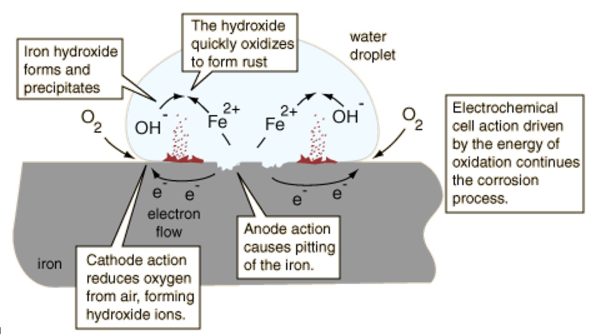
Under ordinary exposure, surface moisture and oxygen support anodic and cathodic reactions. Dissolved salts, contamination and standing water can make the conditions more aggressive.
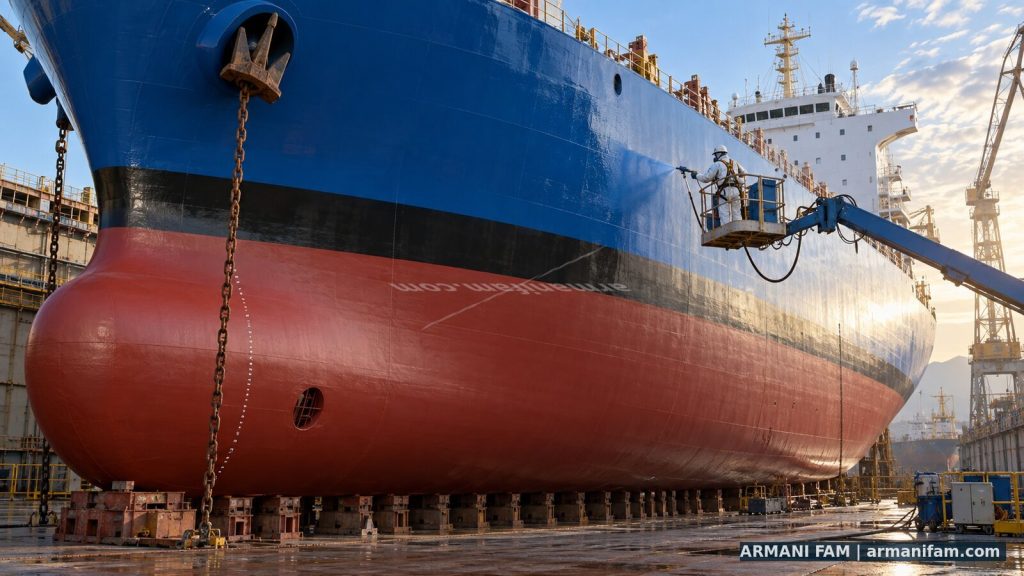
On a ship hull, deck or tank, visible rust is only part of the assessment. Service conditions, surface condition and possible loss of steel thickness also matter. Painting over loose rust cannot replace proper preparation or structural assessment.
Corrosion-control methods
Control can involve material selection, suitable design, limiting standing water, coatings and inspection. The method depends on the environment and the structure.
Protective coatings
A continuous coating film limits access of water and oxygen to steel. Some systems also provide inhibition or sacrificial zinc protection. Primer selection, subsequent coats, surface preparation and application thickness should be specified together.
Read the anti-corrosion coating guide and explore marine paints for ship applications.
Cathodic protection: two different approaches
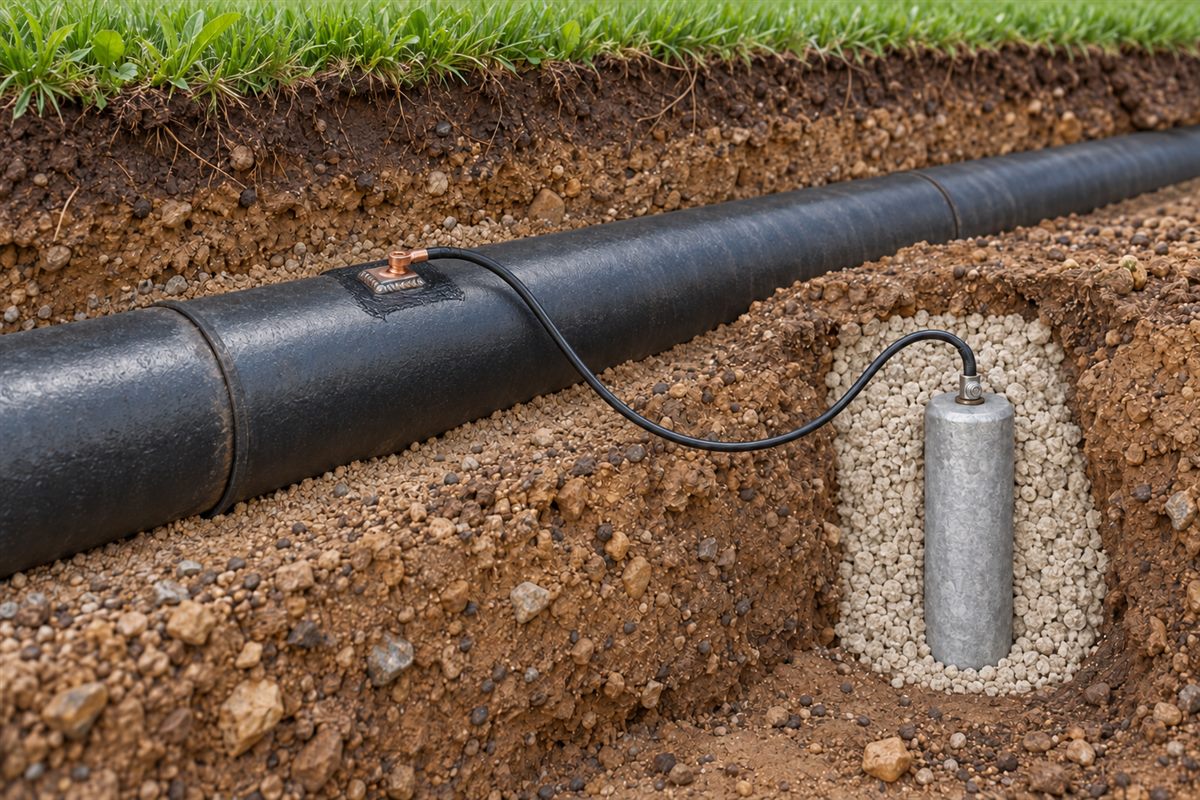
In galvanic protection, a more active sacrificial anode is electrically connected to steel. In an electrolyte, it corrodes preferentially to protect the steel. Anode material and quantity must suit the environment.
In impressed-current protection, a direct-current power source and suitable anodes supply the protective current. This is distinct from sacrificial-anode protection; both require design, measurement and maintenance.
Reference: AMPP guidance on cathodic protection in seawater structures.
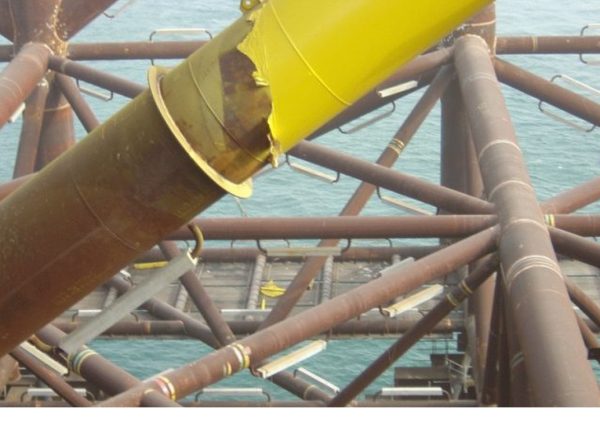
Zinc ingots placed on an oil platform to prevent corrosion of the platform base and body
Where should system selection begin?
Identify the service environment, substrate condition, corrosion extent and available application method. Discuss these details with Armani Fam so that coating selection reflects the project conditions.
