
Anti-Corrosion Coatings: Inhibitive, Sacrificial and Barrier Protection
Quick answer: Protection mechanism, service conditions and surface preparation must be assessed together. The term “anti-rust” alone is not enough to select a coating for a ship or steel structure.
Metal corrosion is a chemical and electrochemical process in which metals change into more stable compounds, such as oxides, hydroxides or sulfides. It can occur uniformly or locally and damage structures exposed to air, water or electrolytes.
Mechanical, chemical and electrical protection methods may be combined. This guide focuses on protective coatings and the three main mechanisms used to reduce steel corrosion.
Surface coatings
A coating is often the first line of defence on steel. Performance depends on the specified system, the condition of the substrate, surface preparation, film thickness and curing.
For project-specific guidance, contact Armani Fam.
Inhibitive coatings
Suitable pigments in inhibitive coatings can help reduce corrosion reactions at the steel–coating interface. Performance depends on formulation, surface preparation and service conditions; pigments do not all work by the same mechanism.
Apply the primer within a compatible system and according to its data sheet. A pigment name or “anti-rust” label does not by itself establish suitability for immersion or tank service.
Sacrificial coatings and zinc-rich primers
In sacrificial protection, a more active metal such as zinc acts as the anode and corrodes preferentially to protect steel.
Suitable electrical contact between zinc particles and the steel is important for the galvanic effect. Zinc may protect local damage, but this does not imply unlimited protection across any size of scratch. Zinc corrosion products may also contribute to barrier protection over time.
Organic zinc-rich primers commonly use epoxy binders; inorganic versions may use silicate binders. Zinc content, density, application thickness, heat resistance and subsequent coats must be checked for the particular product rather than assigned universal values.
Service limitations
Many zinc-rich primers are specified for atmospheric exposure, while some zinc-silicate products have defined tank applications. Immersion, chemical exposure and elevated-temperature service require explicit manufacturer approval and a suitable system.
References: Hempel zinc-rich primer mechanism and Galvosil zinc-silicate applications. These examples do not establish suitability for other products.
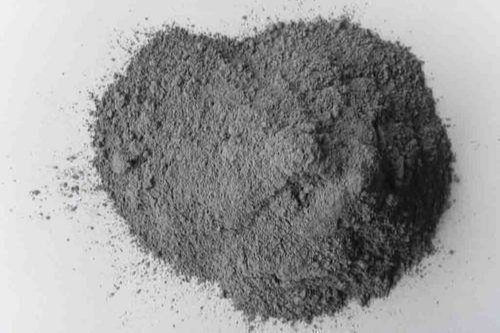
Metallic zinc powder is used in zinc-rich primers. Their preparation, thickness and overcoating requirements must follow the particular product data sheet.
Barrier coatings
A continuous coating film limits the access of water, oxygen and corrosive substances to the substrate. Epoxy resins and pigments such as glass flake and MIO are used for this purpose in some systems. Protection depends on film integrity, correct thickness and surface preparation.
Products for underwater hulls, decks or tanks must be specified for the relevant environment. Not every epoxy or barrier coating is suitable for immersion. Compatibility with cathodic protection must also be checked against the project specification and manufacturer guidance.
Check compatibility rather than relying on pigment names
The presence of zinc and aluminium alone does not establish that two coats cannot be combined. For example, the Jotamastic 80 Aluminium data sheet lists certain zinc-epoxy and zinc-silicate primers as previous coats. Final selection still depends on service conditions and manufacturer approval.
Chemical resistance, including acid exposure, must be assessed for the actual formulation. A resin or pigment name cannot replace the resistance table, temperature limits and immersion restrictions.
Anti-corrosion system selection checklist
- Define atmospheric, immersion or chemical exposure.
- Identify the substrate, its condition and the preparation method.
- Select compatible primer, intermediate coat and topcoat as a system.
- Check thickness, overcoating and cure before service in the data sheet.
Explore marine paints and contact Armani Fam to discuss your project conditions.
