
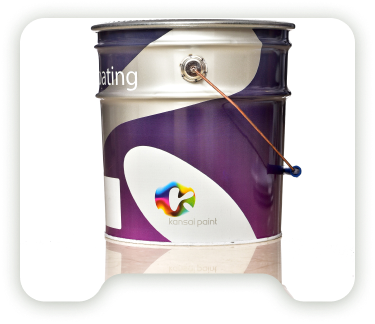
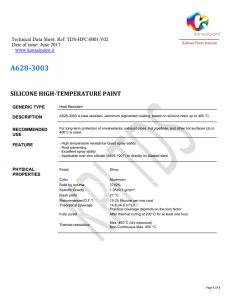
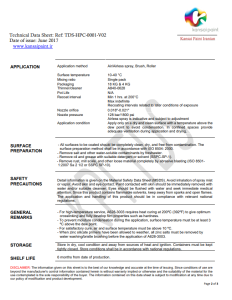

Select this product when the actual surface temperature falls within the approved conditions of its 400°C class. This page helps maintenance engineers make a selection based on real project conditions.
Applications include stacks, pipes and hot equipment. Before approval, establish the service environment, contact or loading conditions and the expected interval to the next maintenance. These determine whether an individual coating is sufficient or a multilayer system and quality-control plan are needed.
Assess peak and continuous temperature, resin type and the heating schedule. Record these in the purchase enquiry so proposals can be compared using the same information. A generic product name, colour or unit price alone is not a sufficient technical basis. Specify substrate, existing surface condition, service temperature, water or chemical contact, application method, downtime limits and required appearance.
Prepare the surface and maintain a thin, controlled film according to the product datasheet. The datasheet for the actual product and applicable version is the primary reference for mixing ratio, thinning, induction time, pot life, environmental conditions, equipment, thickness and recoating intervals. Obtain technical approval where project conditions differ from that document.
Checks focus on film thickness, curing and adhesion. Records support troubleshooting, future repair and assessment of the system’s service life. Witness samples, stage photographs and environmental records help resolve handover questions.
Assess peak and continuous temperatures and the heating schedule separately; the temperature class alone does not define every permitted service condition. Avoid selecting a product without understanding its service, applying it to an unsuitable surface, or changing mixing ratio or thickness to save time. None replaces proper design and application.
Provide project name, application location, substrate and surface area, previous coating condition, environmental and service temperatures, contact conditions, preparation and application methods, available time and colour. Photographs and the previous coating system’s datasheets also help assess specialised and two-component systems.
No. Similar project names are not enough. Surface condition, service environment, application method and technical requirements must be reviewed.
No. Mixing ratio, thickness, drying time and coverage must come from the datasheet for the actual product and applicable version.
Substrate, service temperature and environment, contact conditions, preparation method, time limits, surface area and required appearance are the essential starting information.
Armani Fam reviews suitability, application conditions and technical documents after receiving project information. Send actual project details, surface photographs and substrate specifications for availability and selection guidance.
The product is identified by its technical catalogue code in industrial and marine application categories. Selection for pipes, hot equipment, engine rooms or stacks must consider actual surface temperature, peak temperature, thermal cycling and corrosion conditions. A category listing alone does not confirm suitability for every service condition.